MY WORKS
GALLERY
Spring Festival, 2025
This group of Chinese figures are about Spring blossoms. I made them as a contribution to a fund raising exhibition at St Paul's Anglican church.


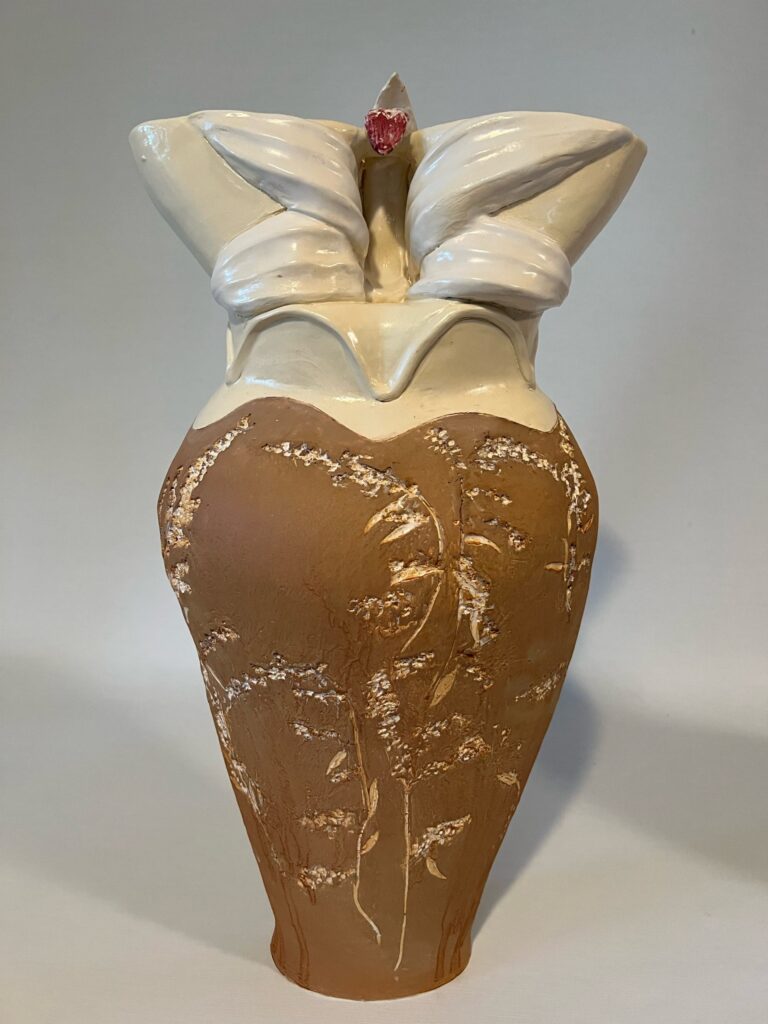
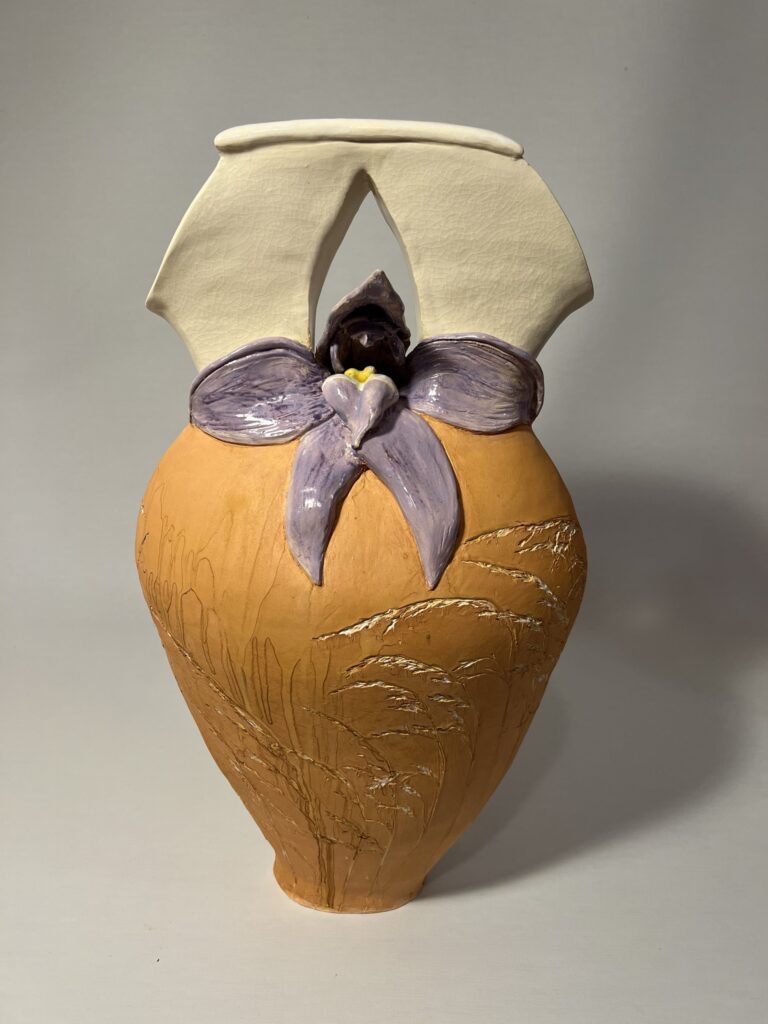
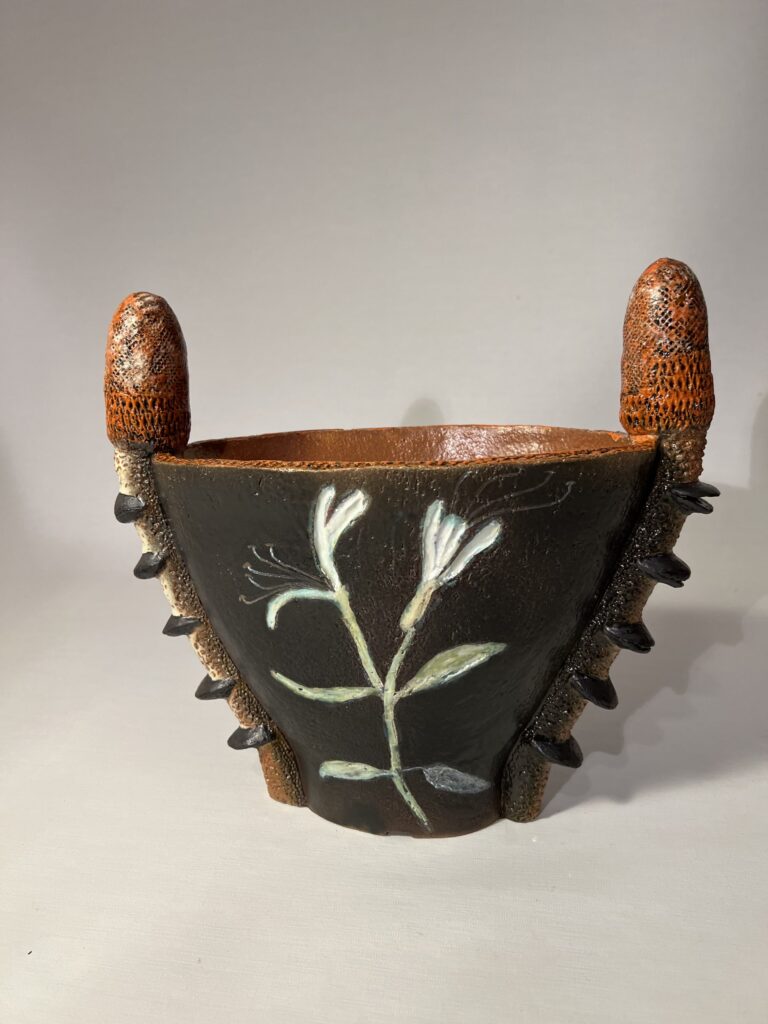
Entwined, 2022
For this exhibition I collaborated with Jenny Manning who created a series of paintings of invasive plants. Our common concern about our dwindling native wilderness provided our theme which has been a great learning experience. Together and separately, we have explored plants such as the rare orchids of Canberra. These exquisite orchids are so vulnerable and to lose them would be a colossal tragedy. It was a new area for me to essentially make vessels, but the work leant itself towards these forms.




Chinese in ancient dress on mobiles, 2020
These figures are based on images I took in Shuhe, near Lijian of Chinese wedding couples who hire ancient clothing for photographs. However, often they still wear sports shoes and hold mobile phones.


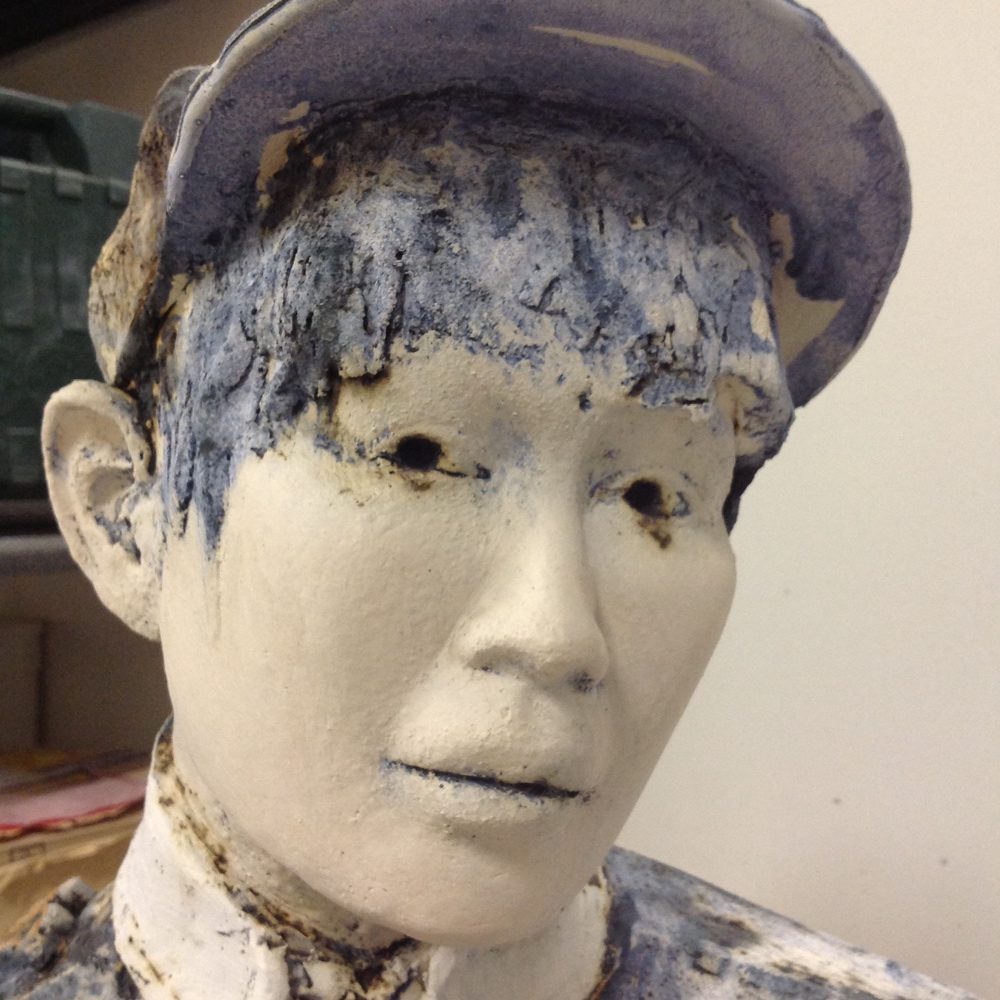
Cloud Shadows, 2015-2019
This series of sculptures has been inspired by my travels in China. I have explored images of women in China from ancient to modern times. As I attempt to encapsulate the vast changes in the roles of women over one thousand years I realise that I have set myself an impossible task! Nevertheless, my enthusiasm has not waned! The project was interrupted due to my spending a year in Berlin assisting our son who in hospital and rehab following a traumatic accident. Happily, he has now recovered and I am slowly picking up where I left off.
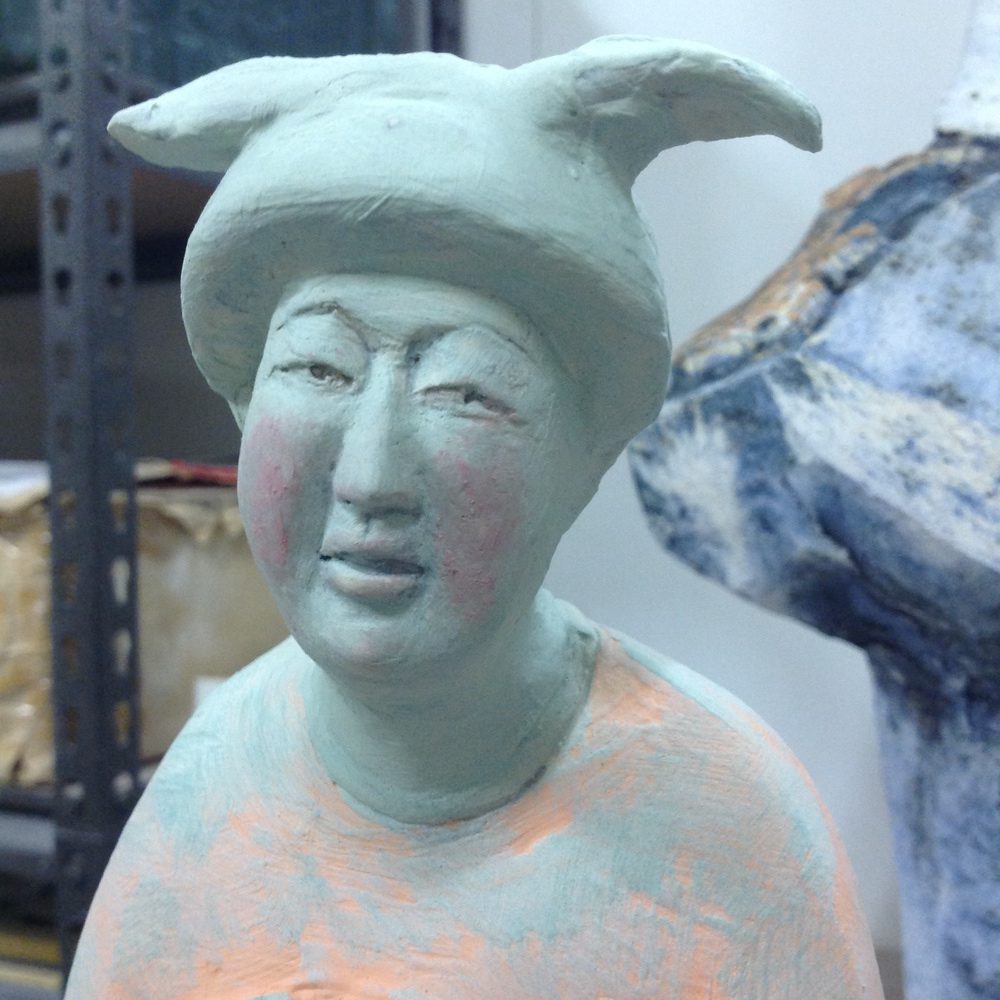


Echoes in Time, 2015 - Belconnen Arts Centre
Links and echoes between artist's ancestors over several generations in England and Australia. I used a large gas kiln at Strathnairn to fire the shino glazes on the Australian ancestors and the English ones were made in terracotta. The small porcelain figures that I made in Jingdezhen were part of the narrative of this exhibition.


Jingdezhen Residency, 2013
Spending 4 weeks at Jingdezhen Sculpture Workshop in September provided a great insight into mould-making and slip casting techniques. I made many sculptures from black clay and across the road I could have moulds made in another workshop. My husband came as my assistant.


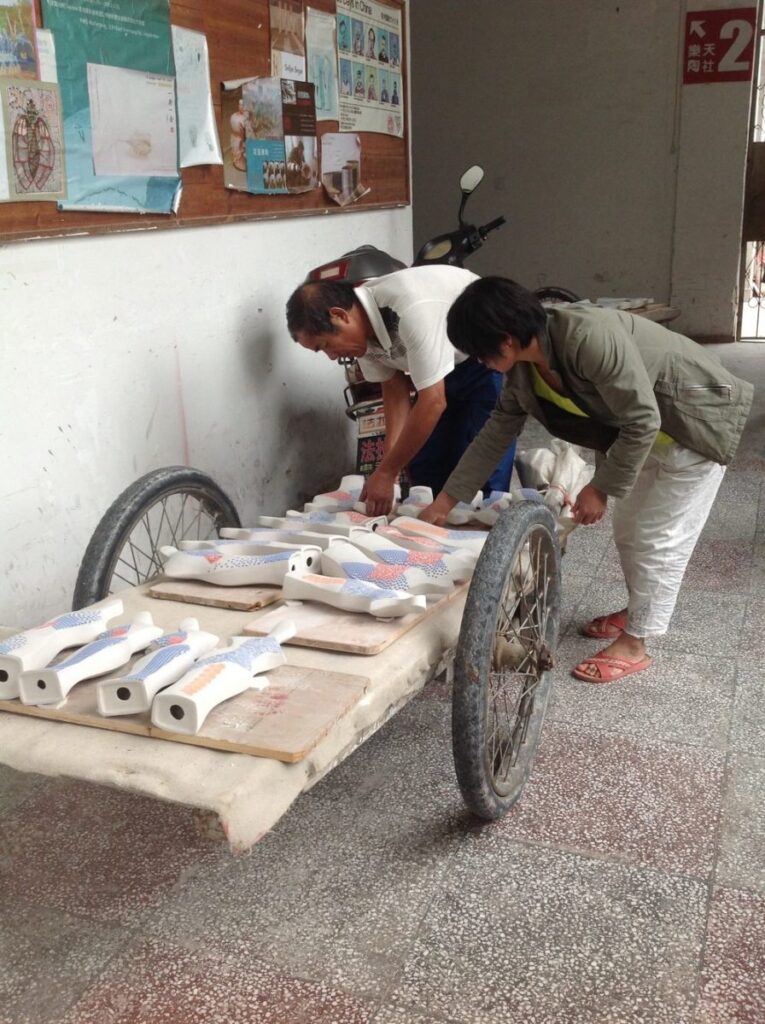
Substance, 2012 - ANCA Gallery
Parallels between the elements of the human body and those found in the sea, referencing the court hierarchy.


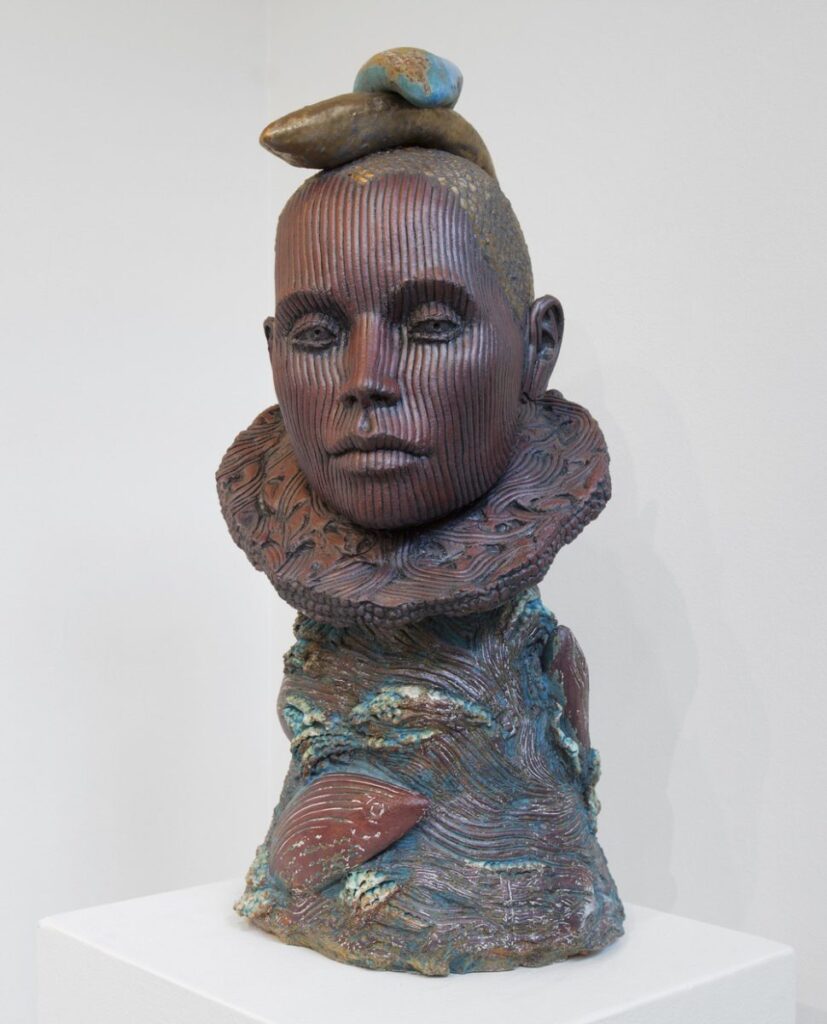
The Oracle Game, 2010 -ANCA Gallery
The fear of apocalypse and sense of confusion due to climate change mirrored through ancient Mayan rituals. The world is in crisis and the media appear to exacerbate the problem by seeding doubts. Unless we all face the same direction we may reach a critical point of no return.


Echoes in Form, 2009 - ANCA Gallery
Parallel study of paired Modernist female artists comparing styles and chronology in Australia and Europe. These styles were reflected in the figures and busts and were grouped in pairs. These styles were reflected in the figures and busts and were grouped in pairs.


Reorient, 2008 - ACT Legislative Assembly
Large standing figures inspired by Japanese culture and poetry with reference to the seasons and life cycles.


Mothers of the Revolution, 2007-ANCA Gallery
Historically referenced female figures focusing on technological changes over 20 generations from 1350 to the present day.


Symbiosis, 2006- Strathnairn Homestead Gallery
Egyptian imagery to compare the long reign of Egyptian civilization over thousands of years to our short reign since industrialization and the subsequent damage to the Earth.


Tilting the Brim, 2005
Australian and Bolivian female figures with hats exploring the cultural divide between the First and the Third Worlds.


